

Reiki: the experience, tradition & research
The Reiki experience
Reiki can be hard to understand by reading about it because every session feels different.
You may come because you are stressed, grieving, exhausted or going through a major change. You may know exactly what you want support with, or simply know that something feels off and you do not feel quite like yourself.
There is no right reason to book and no particular way a session is supposed to feel.
The only way to know what Reiki feels like for you is to experience it.
What Reiki is
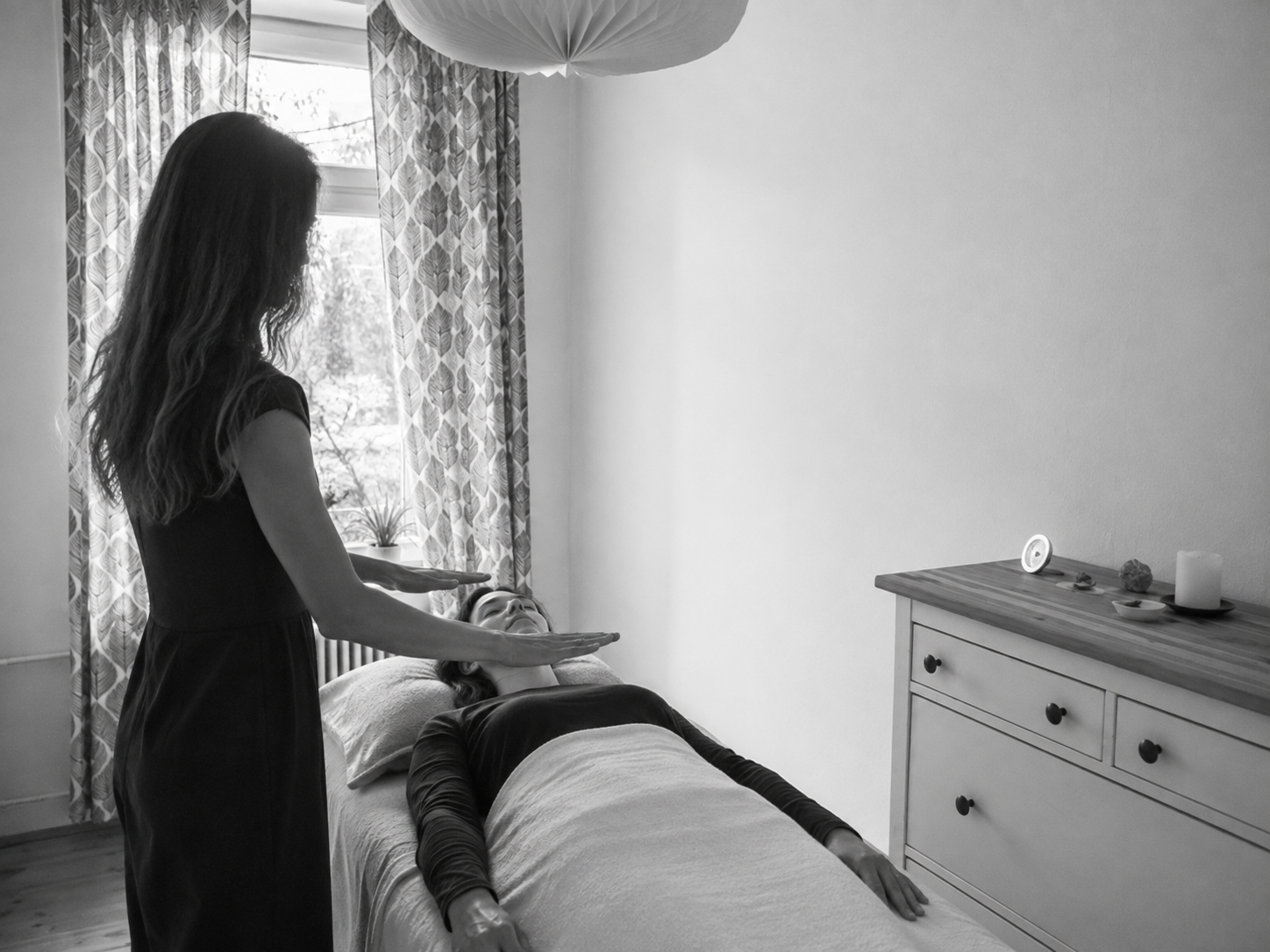
Reiki is a Japanese system of working with energy through the hands. During a session, the practitioner rests their hands lightly on the body or holds them just above it while the client lies down fully clothed. There is no massage, pressure, manipulation or physical adjustment. The treatment itself looks simple, but it comes from a much wider system of healing and personal practice.
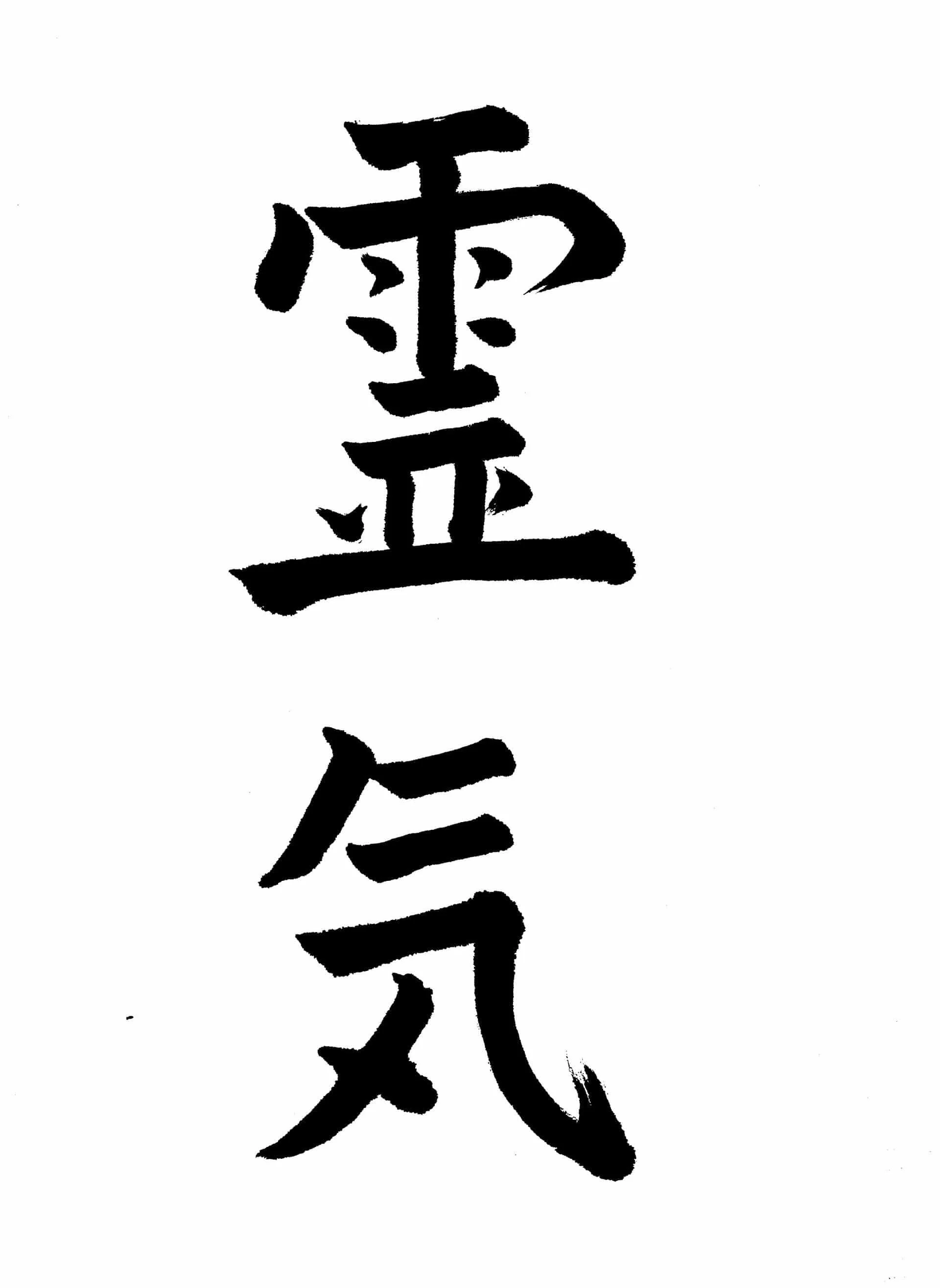
The word Reiki is written with two Japanese characters. Rei can refer to spirit, the sacred or a wider form of consciousness. Ki is the vital energy understood in Japanese tradition to be present in all living things. Together, they are commonly translated as universal life energy.
Acupuncture comes from a different tradition, but it offers a useful point of reference. Both practices work with the idea of vital energy, called ki in Japanese and qi in Chinese. Acupuncture stimulates specific points using fine needles, while Reiki is given through light touch or with the hands held above the body.
Reiki is often described as energy healing. In research, Reiki is usually grouped with biofield therapies, a broad category used for practices based on the idea that biological systems may be influenced through fields of energy and information. [1]
FAQs
-
Reiki can support you with stress, anxiety, emotional overwhelm, exhaustion, difficulty switching off, poor sleep, grief, physical tension, pain, low mood and feeling disconnected from yourself.
People also come for Reiki during burnout, illness, medical treatment, bereavement, relationship changes or other periods when life feels particularly demanding. It can help you feel calmer, more grounded, clearer, more rested and better able to cope with what you are going through.
Research has found encouraging results for anxiety and quality of life, which are among the most common reasons people seek Reiki.
-
No. I was skeptical before my first session. I booked because I was grieving, barely sleeping and had run out of ideas, not because I believed Reiki would work.
You do not need to understand Reiki energy or decide what you believe before coming. Reiki is difficult to understand purely by reading about it. You can arrive with questions, experience the session and notice what happens for you.
-
We begin with a short conversation about how you are and what has brought you in. This gives you time to arrive, ask questions and tell me about anything that may affect your comfort. You never have to share more than you want to. Reiki is not talk therapy, and the session does not depend on me knowing the details of your life.
We also agree how you would like to receive Reiki. My hands can rest lightly on areas such as the head, shoulders, arms, hands, stomach, outer hips, knees and feet, or remain above the body throughout. I do not place my hands on sensitive areas. Touch is never assumed, and you can change your mind at any point. You remain fully clothed, and blankets or supports can be used to make you comfortable. Reiki can also be received seated if lying down is difficult.
At the start, I guide you through a few slow, deep breaths and help you settle your attention. You do not have to clear your mind perfectly or hold a particular state. The breathing is simply a way to arrive in the room, leave some of the day behind and give the body a clear signal that it can begin to slow down.
I then work through a series of positions while paying attention to where I feel drawn to remain longer. Some parts of the session are structured. Other parts are responsive. I may notice stronger warmth, tingling, pressure or another sensation in my hands around one area, or simply have a clear sense that I should stay where I am. I use these signals to guide the pace and movement of the session.
-
Warmth is one of the most commonly reported sensations, sometimes directly beneath the practitioner's hands and sometimes elsewhere in the body. People also describe tingling, pulsing, heaviness, lightness, waves of energy, changes in temperature or the feeling that the body has become very large, very small or deeply settled into the table.
Breathing may slow without effort. Muscles may soften. The constant internal commentary can become quieter. Some people enter a state between waking and sleep in which they remain aware of the room but lose their usual sense of time. It can feel deeper than ordinary rest, as though the mind is still present but no longer running the experience.
Emotion can also arise. A person may feel sadness, relief, tenderness, irritation or sudden clarity without having been consciously thinking about the issue connected with it. Tears are not unusual and do not mean something has gone wrong. Some people see colours, shapes, images or memories. Others feel nothing they would describe as unusual. Both are normal.
A strong physical or emotional experience is not proof that more happened. A quiet session is not a failed session. Sensitivity varies between people and from one day to another. You may also spend part of the session thinking about work, dinner or whether anything is happening. The mind does not have to disappear for the body to begin settling.
-
Both are completely fine.
Many people fall asleep or drift in and out of sleep during Reiki. Others remain awake and continue thinking for part of the session.
I’ll help you settle at the beginning. After that, you can simply rest. There is nothing you need to do or get right.
-
No.
My hands can rest lightly on the body or remain just above it. We will discuss your preferences before the session, and the entire treatment can be completed without physical contact.
Touch is never assumed, and you can change your mind at any point.
-
An online Reiki session takes place live over video from beginning to end. We start by talking about how you are, then I guide you through a few settling breaths while you get comfortable. You can close your eyes and rest while I give Reiki in real time, and we talk again at the end about what you noticed.
Online Reiki can feel especially powerful because both of us are in the space where we feel most settled. You do not have to adjust to an unfamiliar room or travel home afterwards. You can stay exactly where you are and let the session continue to settle.
I receive Reiki only online myself because the practitioners I work with are based in Bangkok and the Netherlands. I also prefer it. I find it easier to let go fully in my own space, and I do not have to break that state the moment the session ends.
-
Pay attention to how you feel during the hours and days after your session.
The immediate effect is often a sense of calm, softness or mental space. Some people feel grounded and clear. Others feel tired and want to sleep. If you have been holding yourself together through a demanding period, you might feel clearly that your body needs rest.
Changes can also be subtle. You may realise later that you reacted differently to something that normally overwhelms you, slept more deeply, felt less physically tense or had more room around a difficult emotion.
It can help to leave some space after the session rather than moving immediately into a demanding schedule. Drink lots of water, eat cleanly if possible, rest if you feel tired and pay attention to the signals your body is giving you.
-
Start with one.
One session is enough to experience Reiki and notice how you respond. Some people book occasionally when they feel they need support. Others choose several sessions during grief, burnout, illness, prolonged stress or a major life change because the experience can build and deepen over time.
You do not need to commit to a series before your first appointment. Begin with one session and decide from your own experience whether you would like to continue.
Some people also make Reiki part of their regular wellbeing routine and book a session once a month, much like a monthly massage, to reset, ground, and stay connected to themselves.
-
You do not need to do anything special.
Wear comfortable clothes and avoid arriving very hungry or immediately after a heavy meal. You may want to drink some water beforehand and - ideally- leave a little space after the session rather than rushing directly into work or another commitment.
For an online session, choose somewhere quiet where you can lie down or sit comfortably without being interrupted.
-
Yes.
Reiki can sit alongside psychotherapy, coaching, medication, physiotherapy, medical treatment and other forms of support. It offers a different kind of space. You do not have to analyse, explain or solve what you are going through. You can rest, receive and reconnect with yourself.
Reiki is complementary care rather than a replacement for diagnosis or treatment. The NIH classifies Reiki as a complementary health approach, meaning it is generally used alongside conventional care rather than instead of it.
(NCCIH)
-
Click Book Session in the main menu - you can choose online or in-person and see available times.
-
You’re welcome to reach out via the Contact page anytime. I’m happy to answer questions about sessions, timing, or how the work might support your needs.
The Reiki tradition
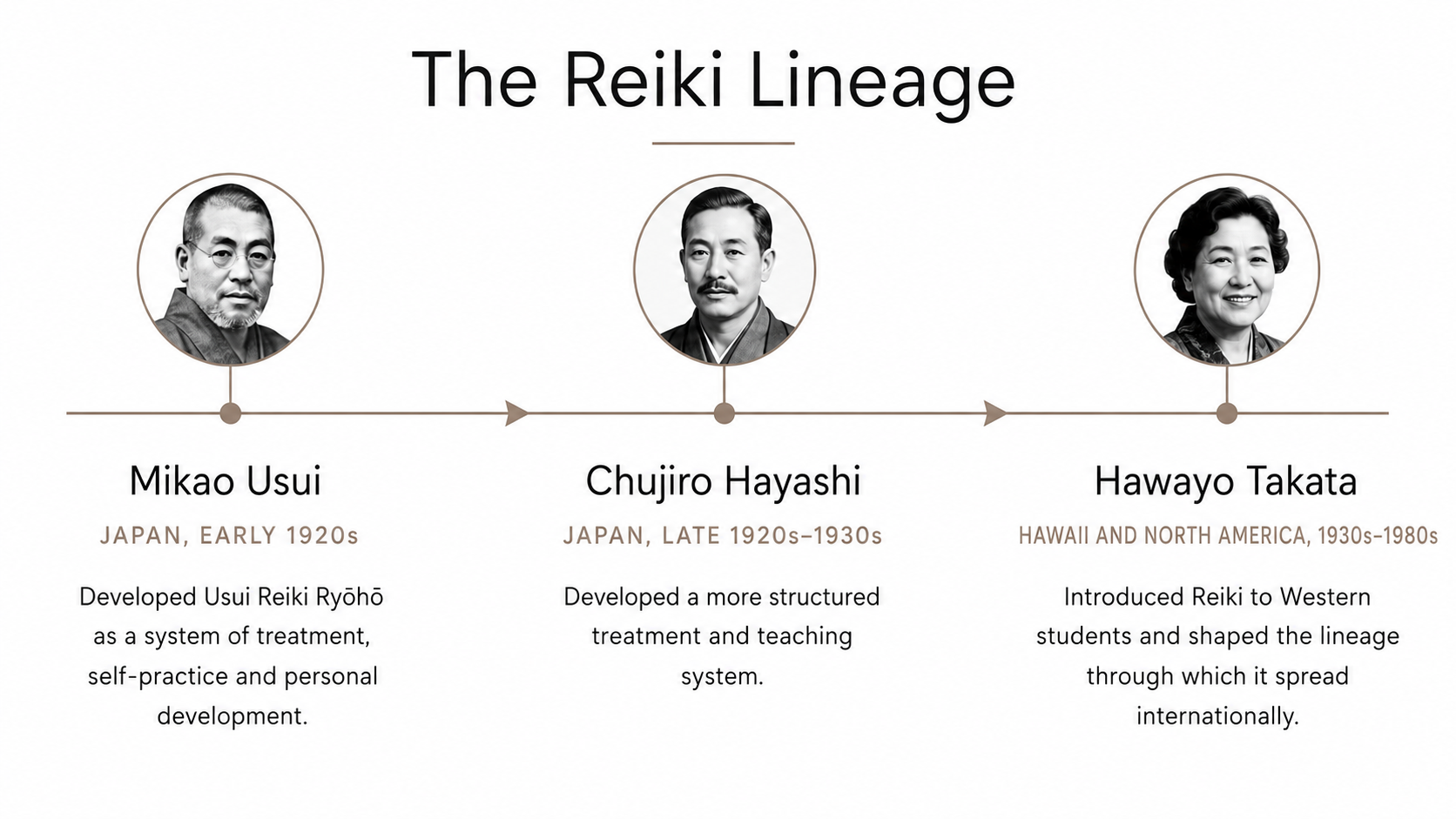
The Reiki practised around the world today is generally traced to Mikao Usui, who developed and began teaching his method in Japan in the early 1920s. He called it Usui Reiki Ryoho, the Usui Reiki treatment or healing method. Its fuller name is often translated as the Usui method for the improvement of body and mind. Reiki was never only a treatment received from another person. It was also a personal practice and a way of supporting your own development. [1, 3]
The word Reiki existed before Usui, and other Japanese healing systems had used it. Usui’s contribution was the particular system, practices and teaching lineage that later spread around the world. Traditional accounts connect its development with a period of fasting and meditation on Mount Kurama, north of Kyoto. Some details differ between lineages, but Usui’s teaching in the early 1920s and the founding of the Usui Reiki Ryoho Gakkai are central to the documented history. [3]
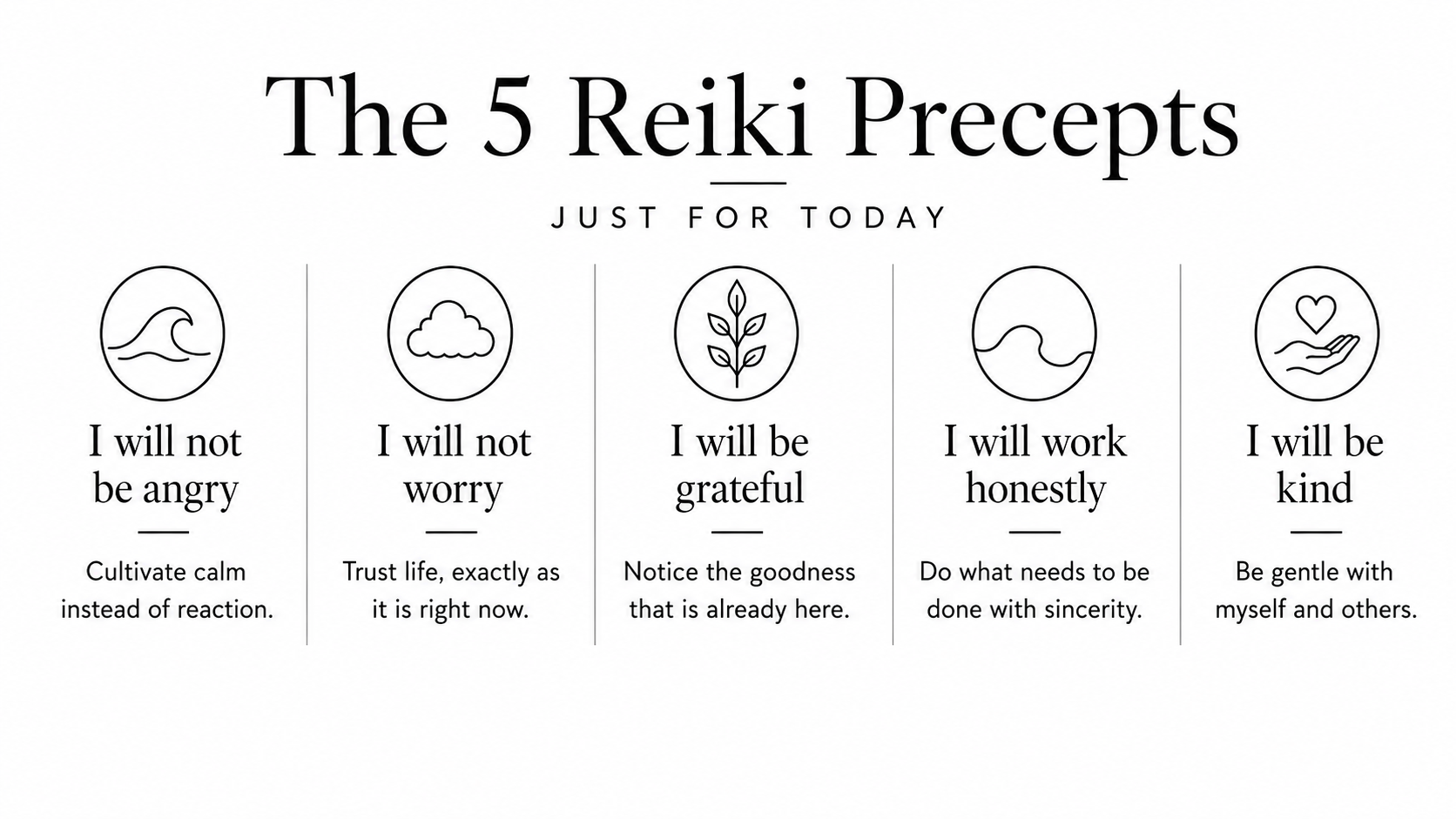
Usui’s system included hands-on treatment, self-Reiki, meditation, ethical principles and practices for developing greater sensitivity. The five Reiki precepts are the clearest expression of this. They focus on how we meet anger, worry, gratitude, honesty and kindness in everyday life.
Their place in Reiki matters because the quality of a session depends on more than where the practitioner puts their hands. It also depends on how present, grounded and aware they are with you. The precepts show that the practitioner’s own way of living and working with themselves has always been part of the practice.
The Reiki research
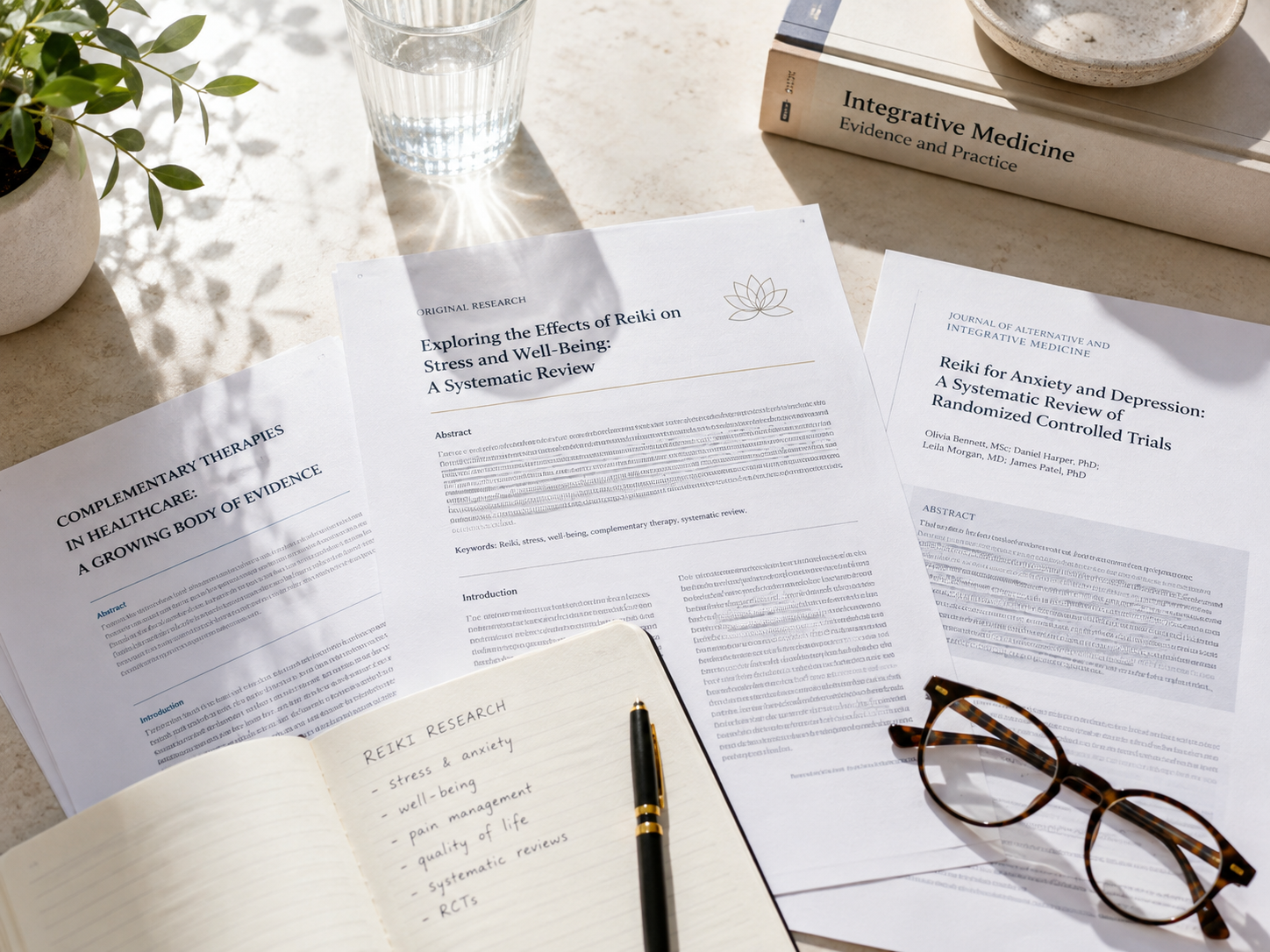
For a long time, Reiki sat outside what science and mainstream medicine were willing to take seriously. That’s slowly changing. Science still can’t explain exactly what Reiki is or how it works, but researchers can measure what happens to people who receive it. So far, the clearest results are around anxiety, stress, pain and overall wellbeing, with newer studies looking at sleep, brain activity and even inflammatory markers.
That same practical focus is reflected in how Reiki is now used in a number of U.S. hospitals. It isn’t offered as a cure or an alternative to medical treatment, but as additional support to help patients feel calmer, more comfortable and better able to cope with what they’re going through.
-
A 2024 meta-analysis combined 13 studies involving 824 adults and found a significant overall reduction in anxiety among people who received Reiki. The studies included healthy adults and people experiencing chronic illness, medical procedures and other sources of anxiety. [5]
A separate 2022 systematic review examined 14 randomised, placebo-controlled studies covering stress, anxiety, depression, burnout and general wellbeing. Reiki performed better than sham Reiki for some clinically relevant symptoms, with the strongest evidence found for stress, depression and anxiety. [6]
These studies do not establish Reiki as a treatment for an anxiety disorder or depression. They do support what many clients describe in less clinical language. They feel calmer, less overwhelmed and more able to rest. That may sound modest, but it is meaningful to someone whose body has remained in a state of tension for weeks or months.
-
Pain is not created by psychology, but its intensity is affected by the wider state of the person. Sleep, fear, stress, attention and emotional strain can all change how pain is experienced.
A review of randomised Reiki trials found favourable results for pain and anxiety across studies involving people receiving cancer care, recovering from surgery and living with other health conditions. [7] A 2018 meta-analysis also found an overall reduction in pain across four randomised trials. Because the number of studies was small and the conditions differed, it is better read as an encouraging signal than a final answer. [8]
Reiki does not remove the medical cause of pain. The relevant question in this research is whether it can reduce the experience of pain or help someone feel more comfortable while appropriate medical care continues.
-
Quality of life brings together more than one symptom. It can include comfort, mood, fatigue, daily functioning, relationships and how able someone feels to participate in their own life.
A 2025 meta-analysis combined 11 randomised controlled trials involving 661 participants and found a small but statistically significant average improvement in quality of life following Reiki. [9]
A large real-world study collected information before and after 1,411 Reiki sessions provided by 99 practitioners across the United States. Participants reported improvements in every measured outcome, including pain, tiredness, nausea, anxiety, depression, mood and overall wellbeing. [10]
The study did not include a separate control group, so it cannot show how much of the change came specifically from Reiki rather than the combined effects of rest, attention, expectation and time. It still provides a useful view of what happened across a large number of ordinary Reiki sessions outside a laboratory. People commonly reported feeling noticeably better immediately afterwards.
-
Distance Reiki has been studied much less than in-person Reiki, but research is beginning. A 2023 pilot programme offered remote Reiki to frontline healthcare workers during the COVID-19 pandemic. Eight practitioners provided 20 minutes of Reiki on four consecutive days. Among the 40 participants who completed the final measures, stress, anxiety and pain decreased, while wellbeing and sleep quality improved. [11]
The study used a before-and-after design without a separate control group, so it cannot establish how much of the change came specifically from Reiki. It does show that a remote programme was feasible, well received and associated with meaningful improvements in a group experiencing unusually high pressure.
-
Some of the most interesting current research is looking beyond questionnaires and beginning to measure what happens physiologically during Reiki.
A small EEG study recorded brain activity from nine practitioner-recipient pairs during Reiki and comparison procedures. Among the experienced Reiki pairs, synchronisation between the practitioner's and recipient's brain activity increased in the theta frequency range over the course of the session. The same pattern was not found in the comparison pairs. [12]
Theta activity is associated with drowsiness, inward attention, memory processing and deeply relaxed states. The study does not prove that Reiki places every recipient into a theta state or establish how Reiki works. Its sample was very small. What it offers is a measurable observation that can be tested in larger studies.
Earlier preliminary studies have measured heart rate, blood pressure, heart-rate variability, cortisol and body temperature during or after Reiki. Some found short-term changes consistent with relaxation and altered autonomic activity. [13, 14]
A University of California, Irvine pilot study began in 2026 to examine Reiki for adults with cancer experiencing fatigue during immunotherapy. Participants will receive six weekly sessions. Researchers will measure fatigue, pain, psychological distress and inflammatory biomarkers. They will also use EEG hyperscanning, which records the brain activity of the practitioner and recipient at the same time, to examine activity and inter-brain coherence. The 12-person pilot is recruiting and no results are available yet. Its value is that research is beginning to examine what happens during Reiki, not only how someone feels afterwards. [15]
-
Reiki is not limited to private wellness settings. It is also offered within integrative and supportive-care programmes at major US hospitals, alongside conventional medical treatment.
Dana-Farber Cancer Institute offers Reiki through its Leonard P. Zakim Center for Integrative Therapies and Healthy Living. The centre supports people going through cancer treatment with complementary therapies aimed at helping with pain, stress, anxiety and quality of life. [16]
Brigham and Women’s Hospital supports Reiki through its Department of Nursing. Its policy allows nurses, volunteers and other approved staff who are trained and competent in Second Degree Reiki or above to offer it to patients. [17]
Reiki is also used in oncology, hospice, nursing and other supportive-care settings, where it is offered to support comfort, relaxation, emotional wellbeing and quality of life.
Its presence in hospitals matters because it shows that Reiki is being incorporated into established healthcare environments as part of a broader approach to patient care.
The research is still early, but the strongest studies show that Reiki can help reduce anxiety, stress and pain, and improve overall wellbeing. It is a complementary practice and should not replace medical or psychological care.
Research can tell us what tends to happen across groups of people. It cannot tell you what a session will feel like for you. The only way to know whether Reiki helps you is to experience it for yourself.
RESEARCH REFERENCES
-
1. Ko LH, Chang WW, Hu WY. Reiki in Contemporary Healthcare. Historical Development, Theoretical Foundations, Biofield Mechanisms, and Therapeutic Applications. Holistic Nursing Practice. Published online 2025. doi:10.1097/HNP.0000000000000774.
2. Reiki Council. Core Curriculum for the Professional Practice of Reiki and Practitioner Specification. Accessed July 2026.
3. Rand WL. What Is the History of Reiki? International Center for Reiki Training. Evidence-based historical summary drawing on written records, the Usui memorial and Japanese sources.
4. Rand WL. An Evidence Based History of Reiki. International Center for Reiki Training.
5. Guo X, Long Y, Qin Z, Fan Y. Therapeutic effects of Reiki on interventions for anxiety. A meta-analysis. BMC Palliative Care. 2024;23:147. doi:10.1186/s12904-024-01439-x.
6. Zadro S, Stapleton P. Does Reiki benefit mental health symptoms above placebo? Frontiers in Psychology. 2022;13:897312. doi:10.3389/fpsyg.2022.897312.
7. Thrane S, Cohen SM. Effect of Reiki therapy on pain and anxiety in adults. An in-depth literature review of randomized trials with effect-size calculations. Pain Management Nursing. 2014;15(4):897-908. doi:10.1016/j.pmn.2013.07.008.
8. Demir Dogan M. The effect of Reiki on pain. A meta-analysis. Complementary Therapies in Clinical Practice. 2018;31:384-387. doi:10.1016/j.ctcp.2018.02.020.
9. Liu K, Qin Z, Qin Y, et al. Effects of Reiki therapy on quality of life. A meta-analysis of randomized controlled trials. Systematic Reviews. 2025;14:72. doi:10.1186/s13643-025-02811-5.
10. Dyer NL, Baldwin AL, Rand WL. A large-scale effectiveness trial of Reiki for physical and psychological health. Journal of Alternative and Complementary Medicine. 2019;25(12):1156-1162. doi:10.1089/acm.2019.0022.
11. Dyer NL, Baldwin AL, Pharo R, Gray F. Evaluation of a distance Reiki program for frontline healthcare workers' health-related quality of life during the COVID-19 pandemic. Global Advances in Integrative Medicine and Health. 2023;12. doi:10.1177/27536130231187368.
12. Ventura AC, Persinger MA. Enhanced coherence within the theta band between pairs of brains engaging in experienced versus naive Reiki procedures. Journal of Alternative and Complementary Medicine. 2014;20(8):649-653. doi:10.1089/acm.2012.0909.
13. Mackay N, Hansen S, McFarlane O. Autonomic nervous system changes during Reiki treatment. A preliminary study. Journal of Alternative and Complementary Medicine. 2004;10(6):1077-1081. doi:10.1089/acm.2004.10.1077.
14. Diaz-Rodriguez L, Arroyo-Morales M, Fernandez-de-las-Penas C, et al. Immediate effects of Reiki on heart-rate variability, cortisol levels and body temperature in healthcare professionals with burnout. Biological Research for Nursing. 2011;13(4):376-382. doi:10.1177/1099800410389166.
15. University of California, Irvine. Biofield Therapy for the Support of Immunotherapy-related Symptoms Among Adult Cancer Patients. ClinicalTrials.gov identifier NCT07581080. Study record updated July 10, 2026.
16. Dana-Farber Cancer Institute. Leonard P. Zakim Center for Integrative Therapies and Healthy Living. Accessed July 2026.
17. Brigham and Women's Hospital. Caring and Healing Modalities. Reiki Courses for Nurses and Other Staff. Accessed July 2026.